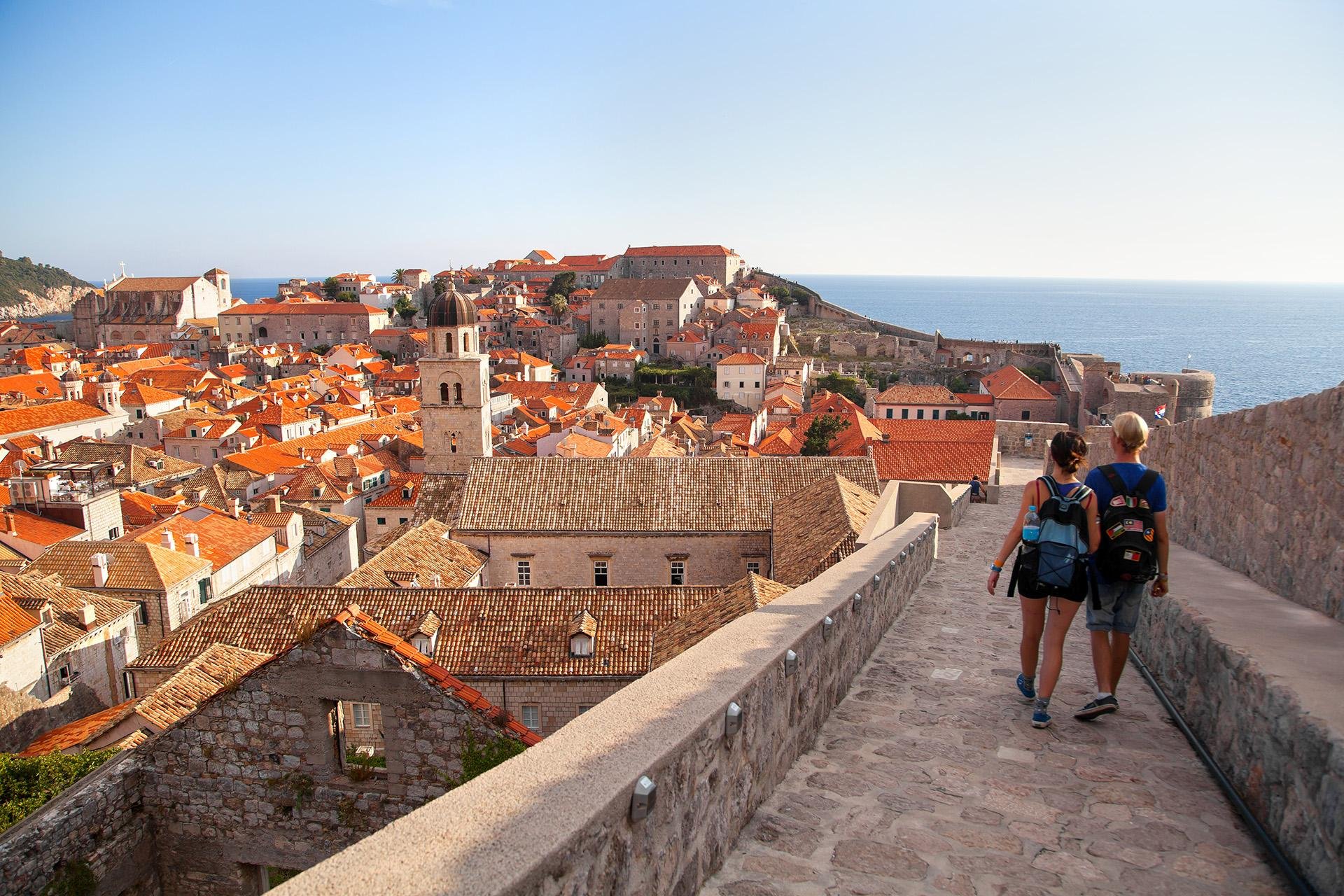
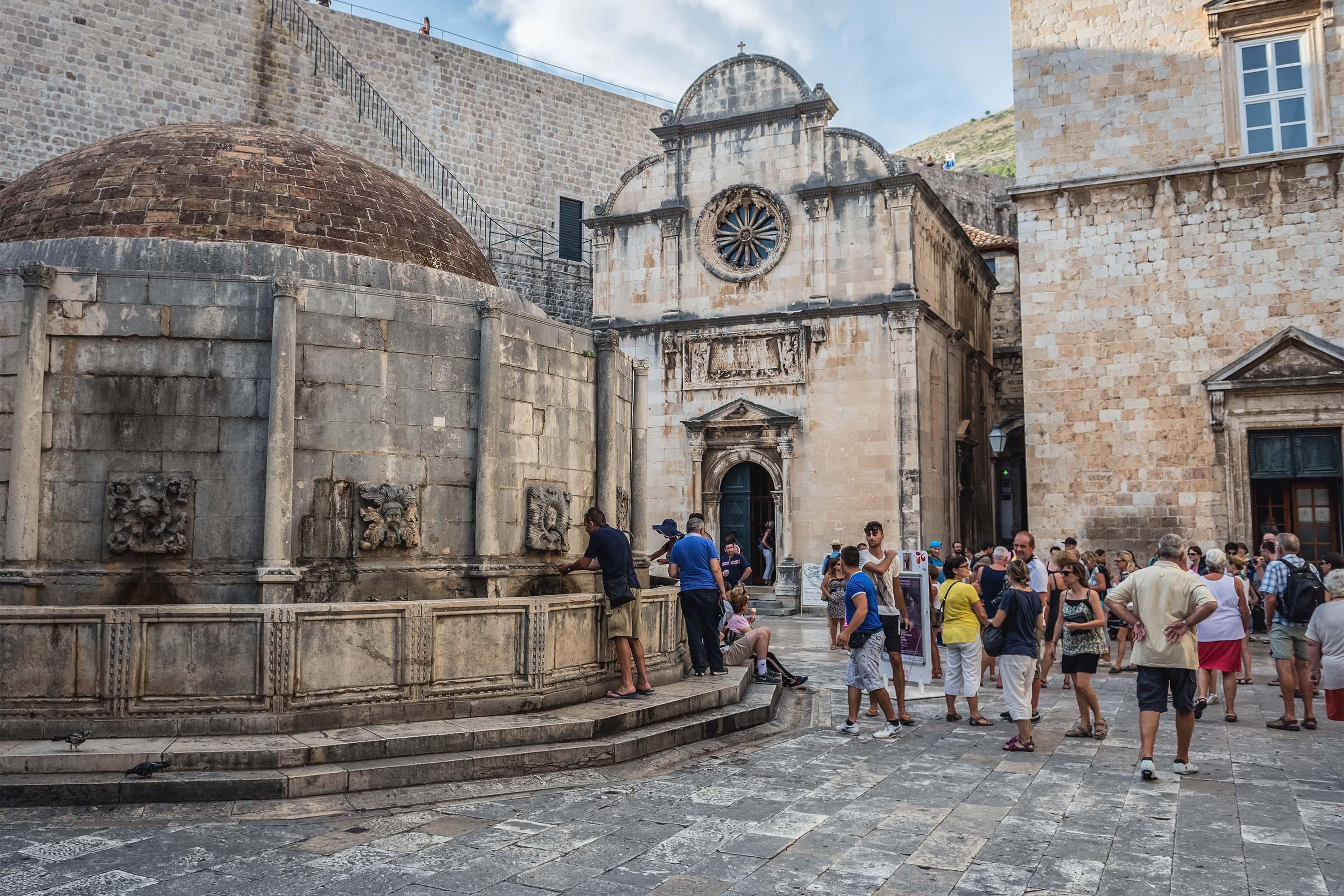
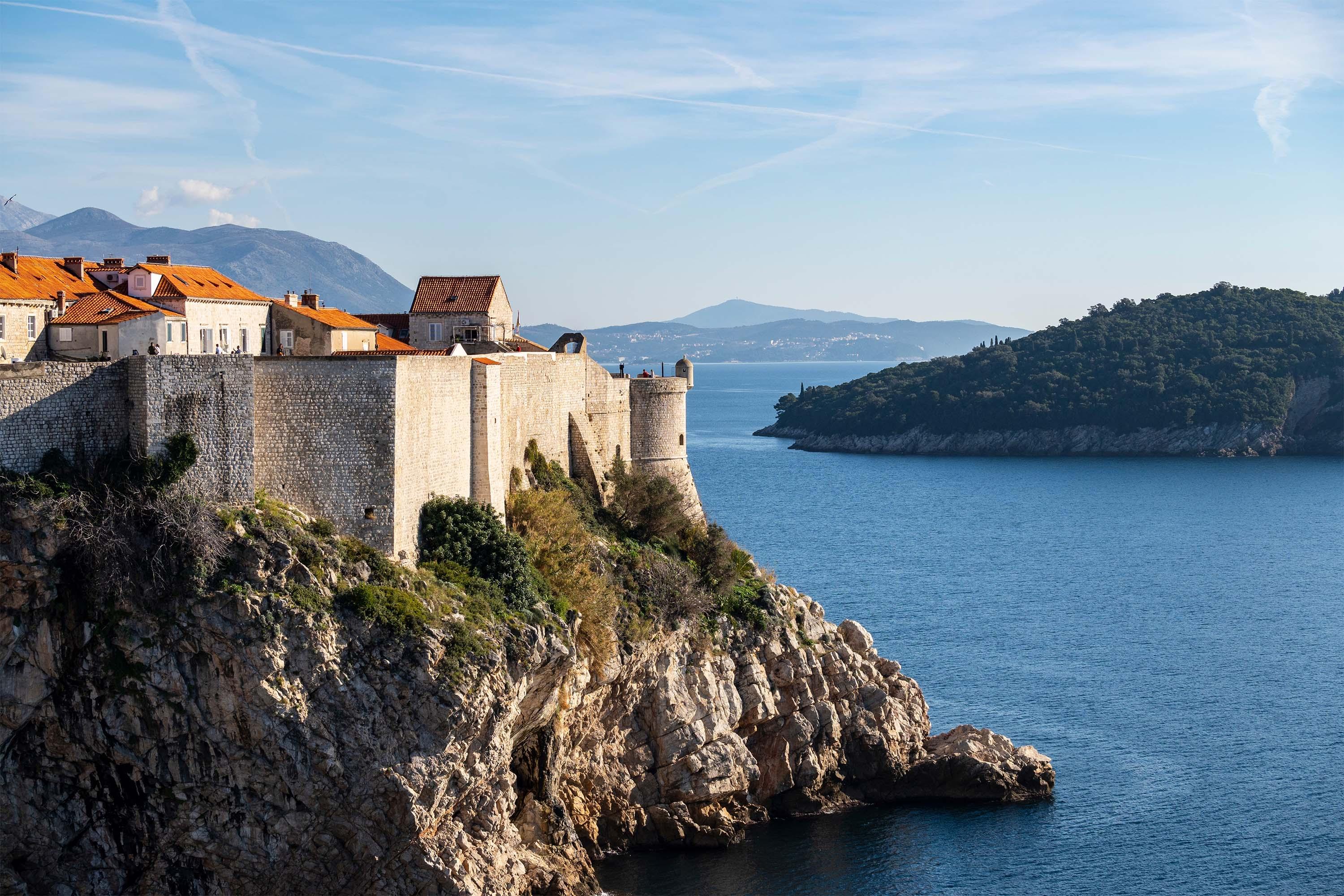
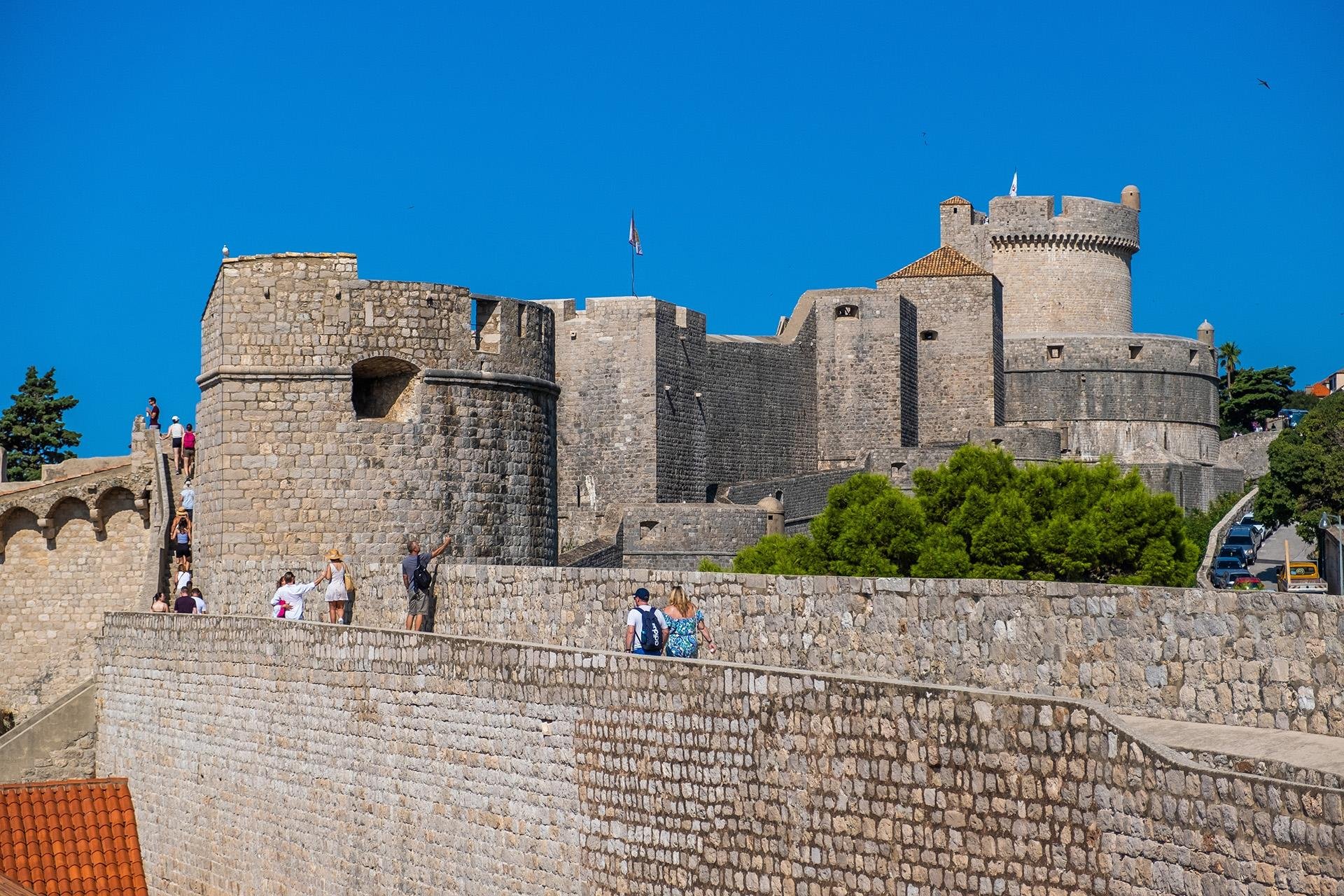
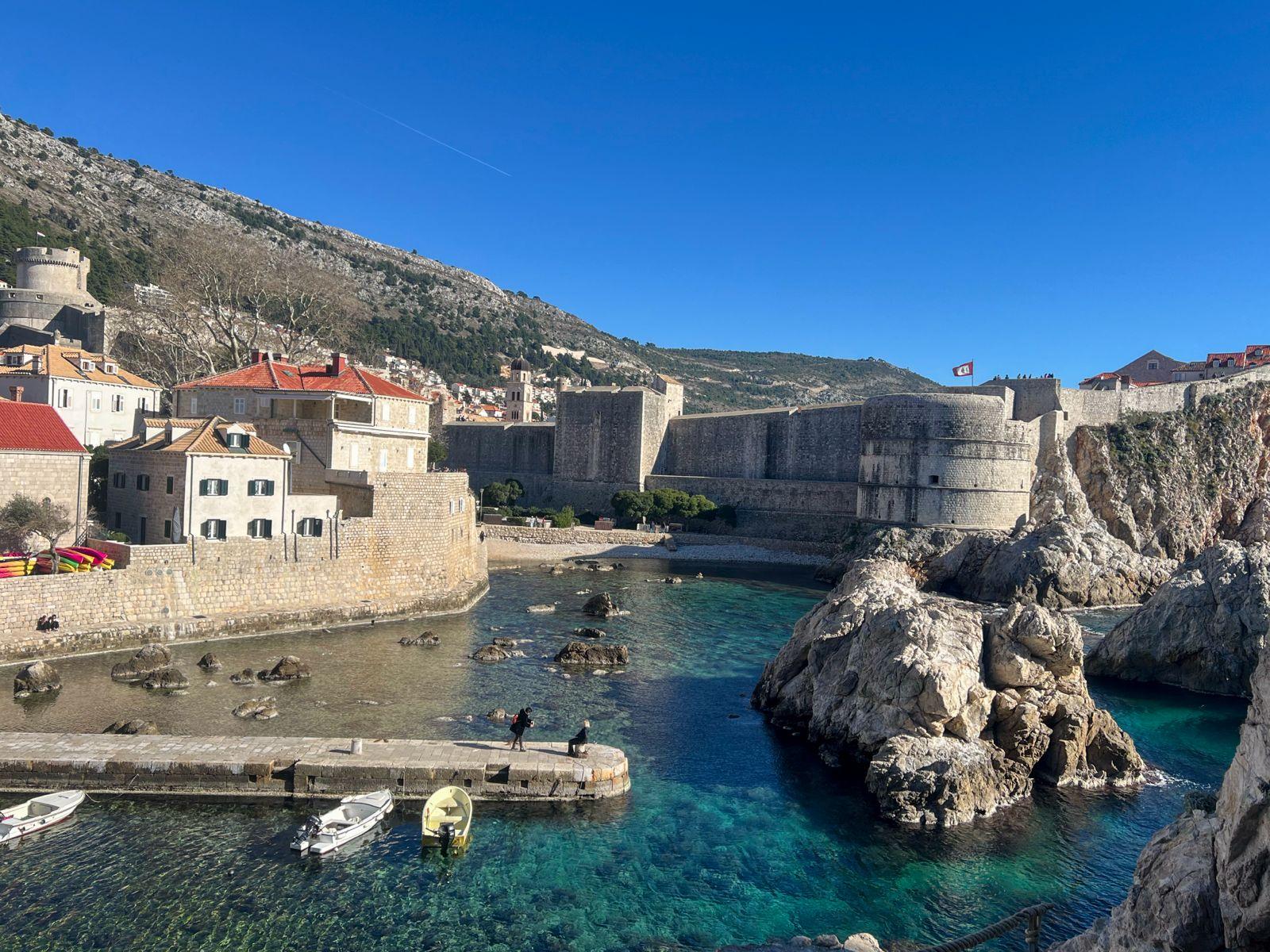
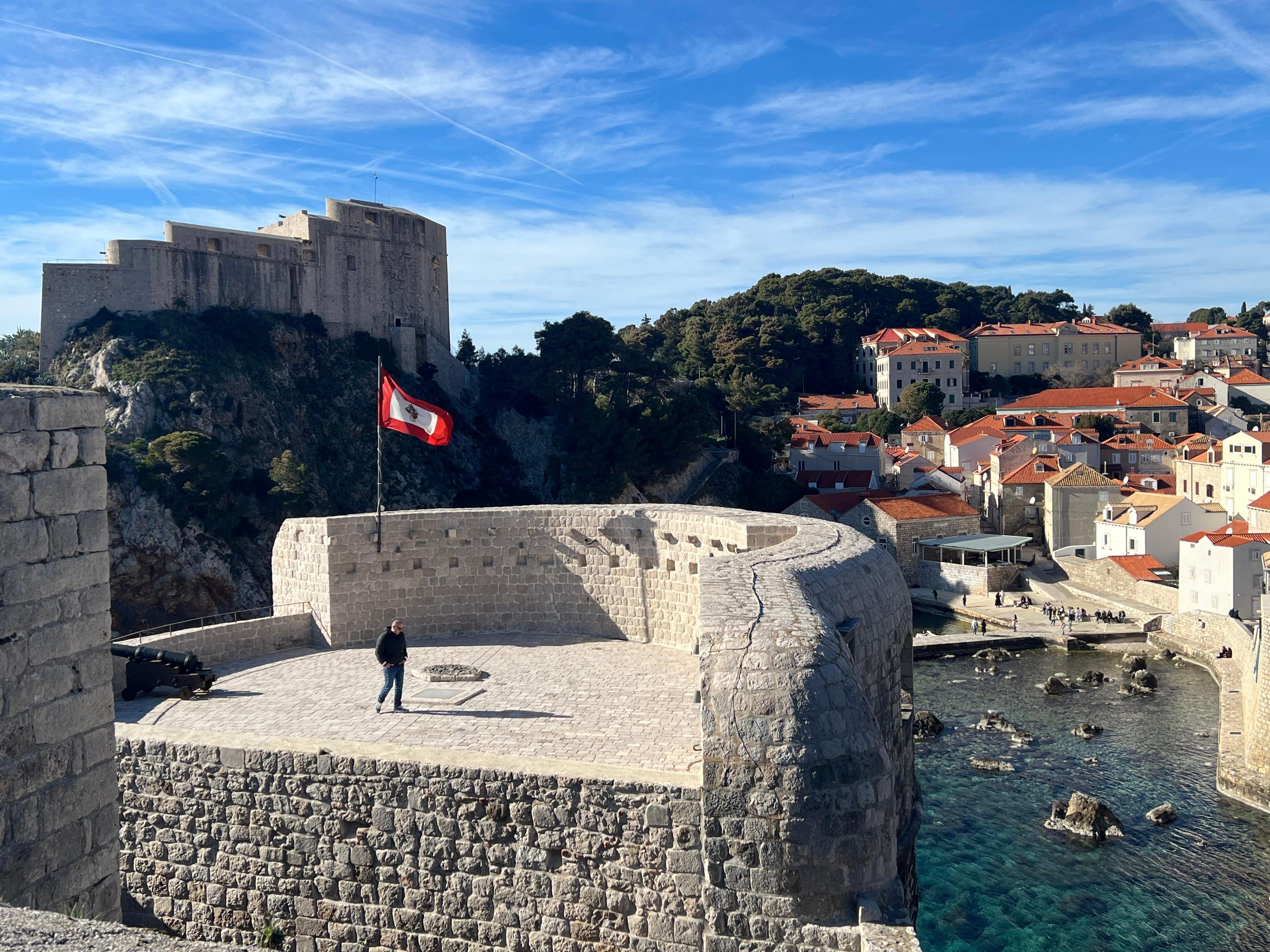
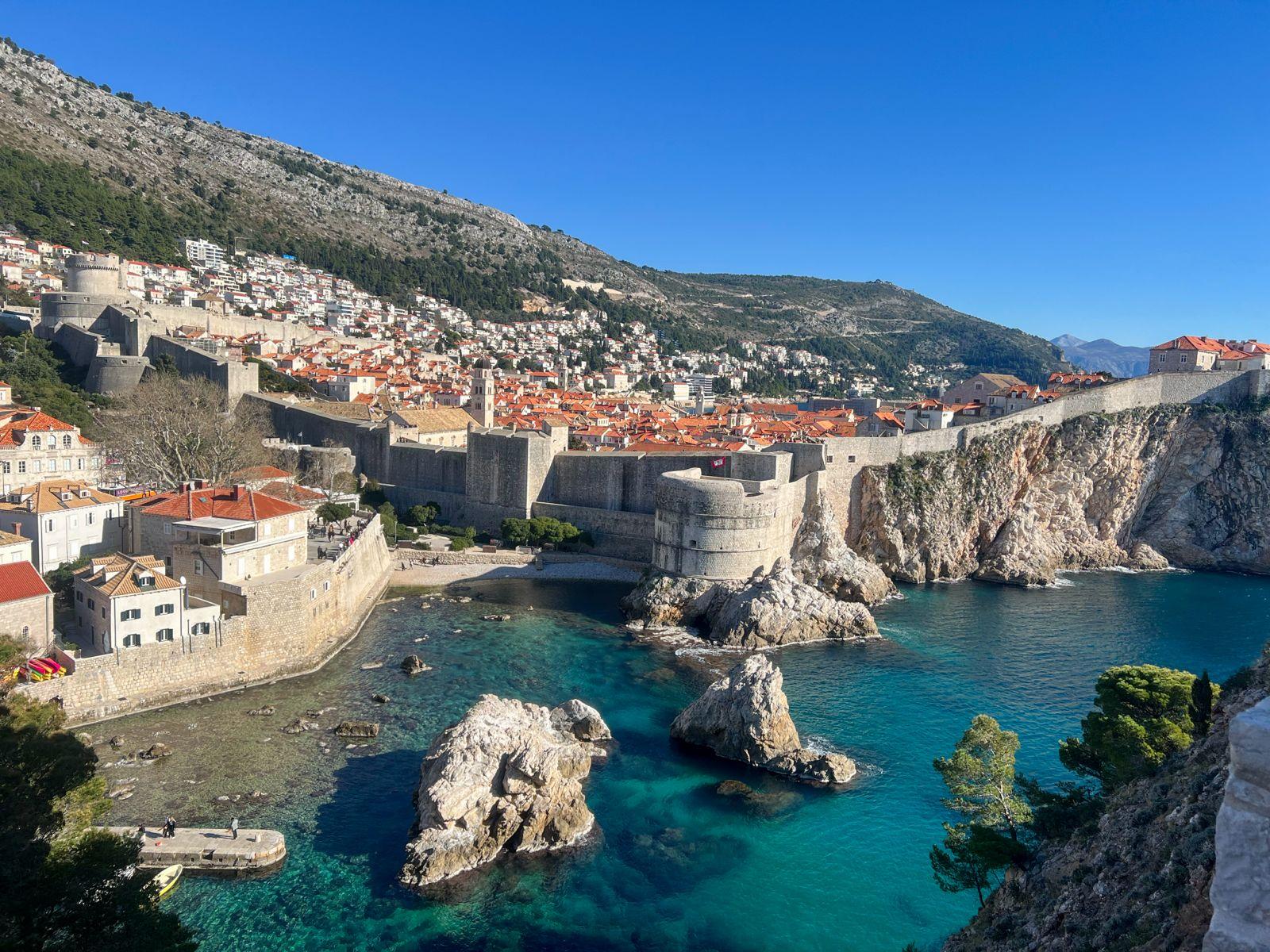
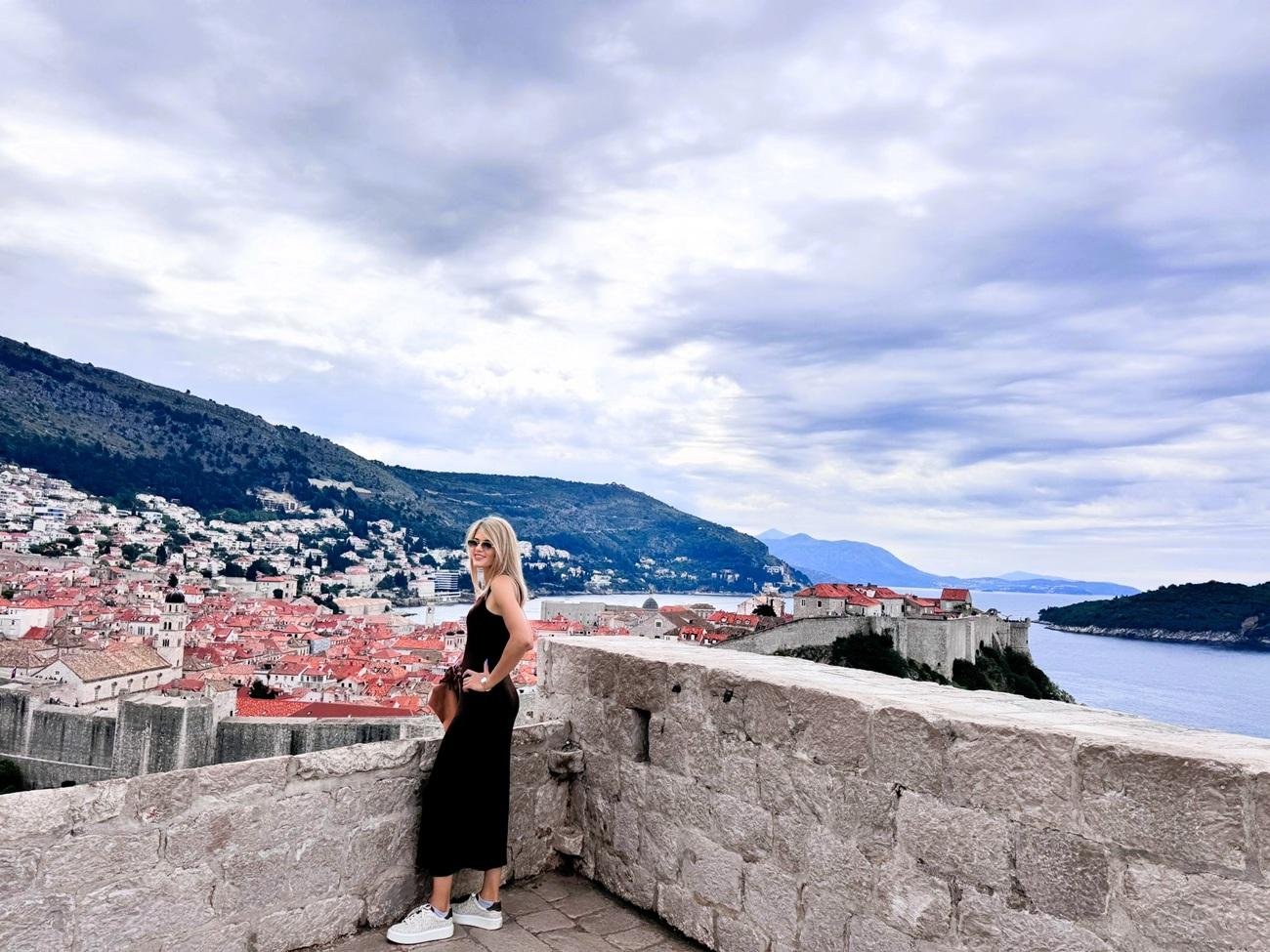
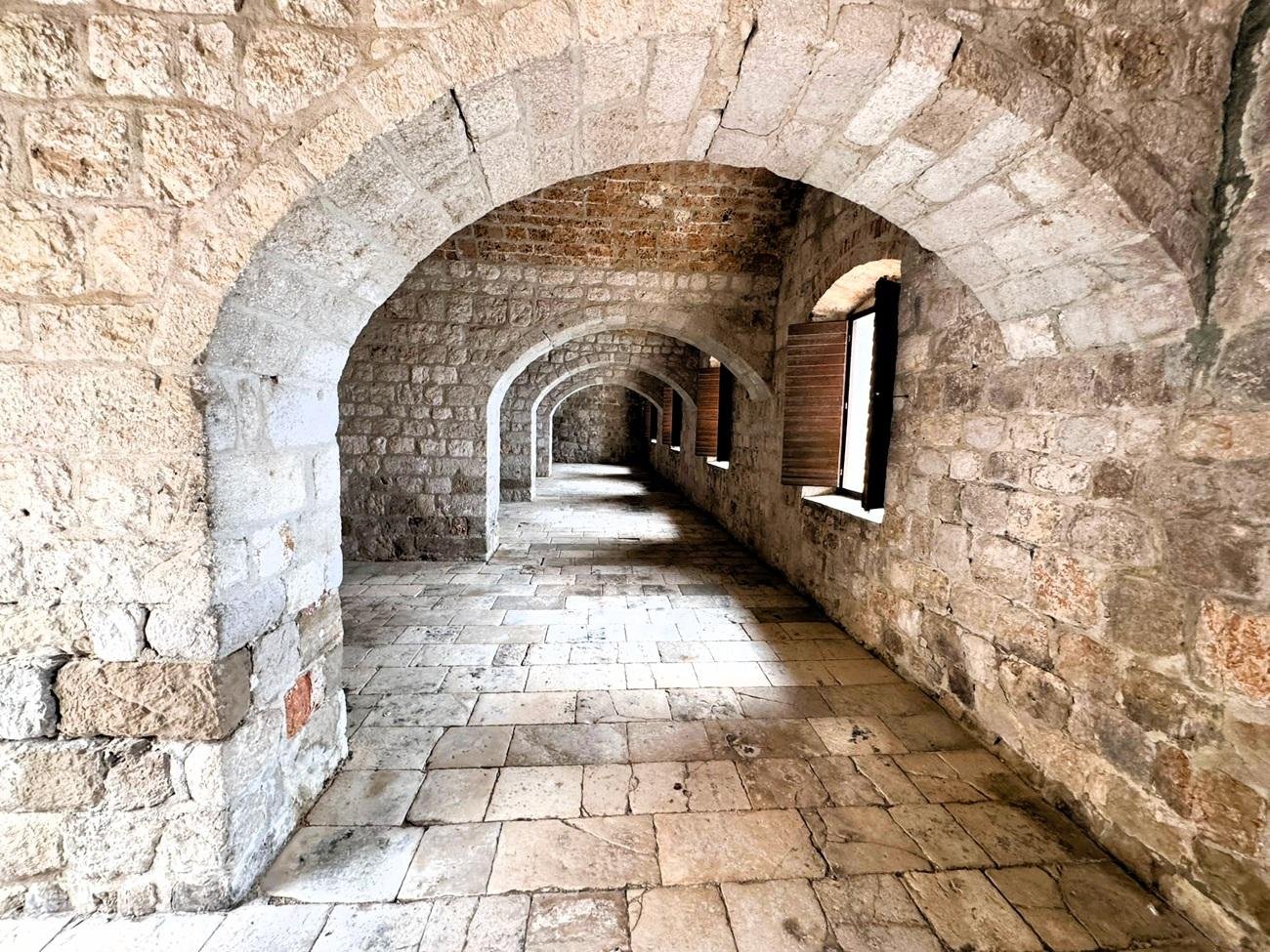
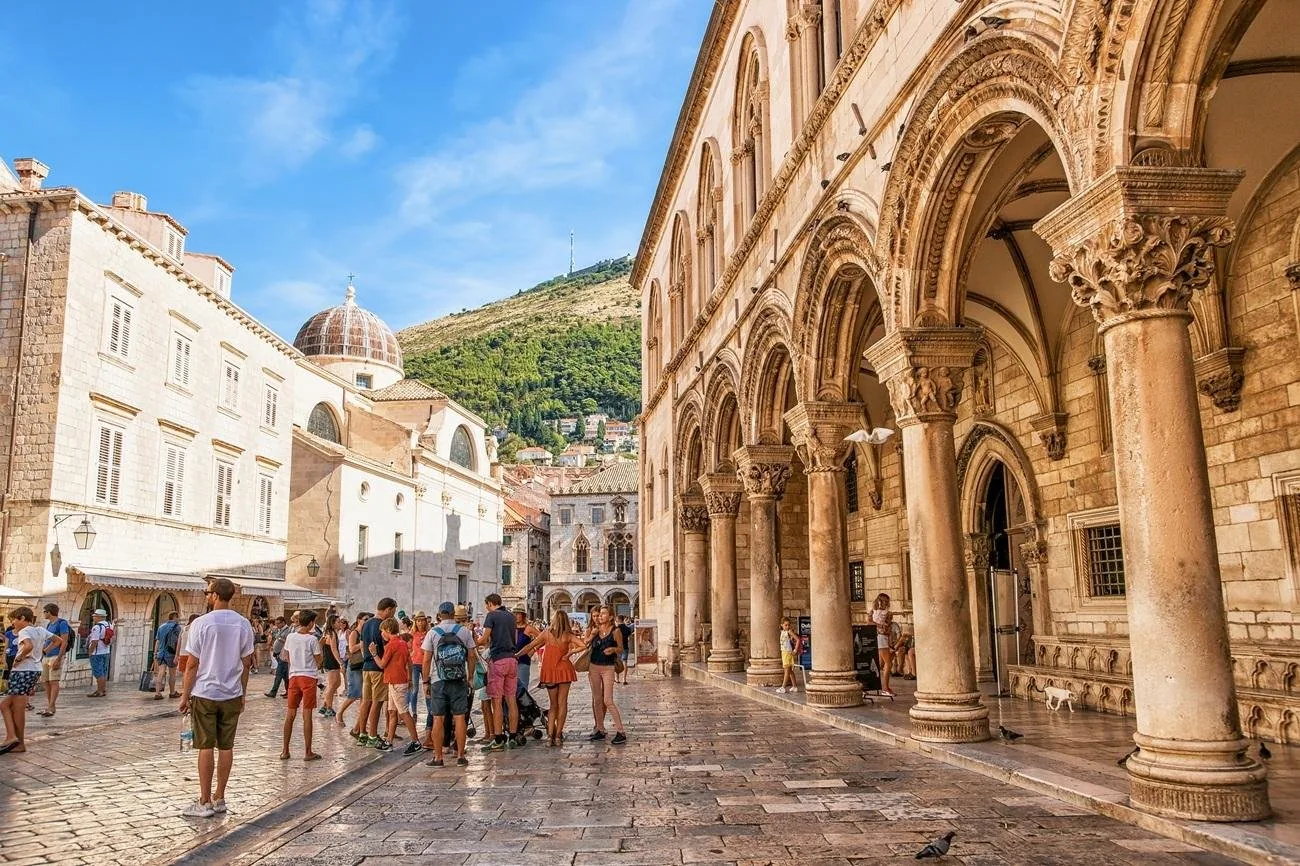
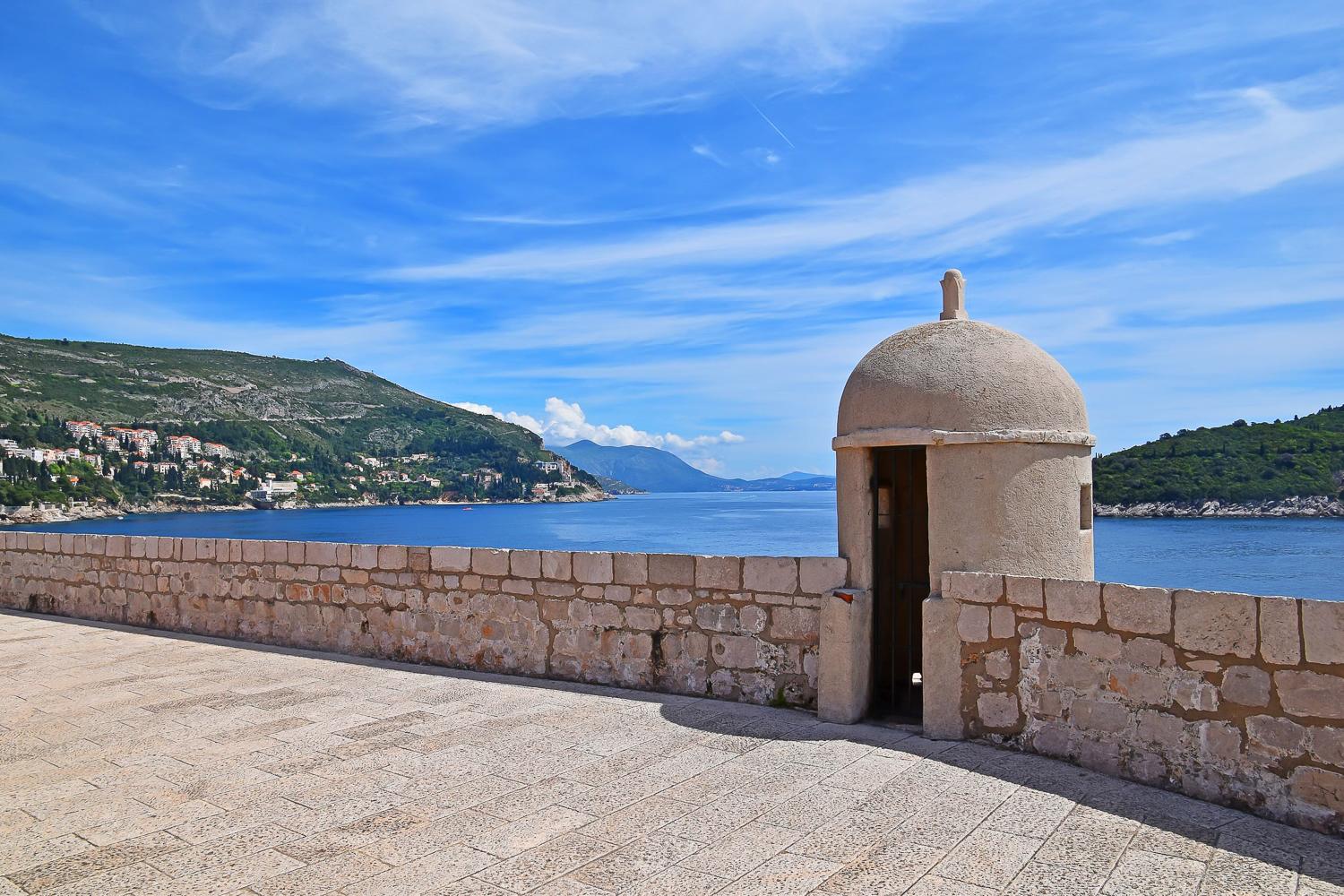
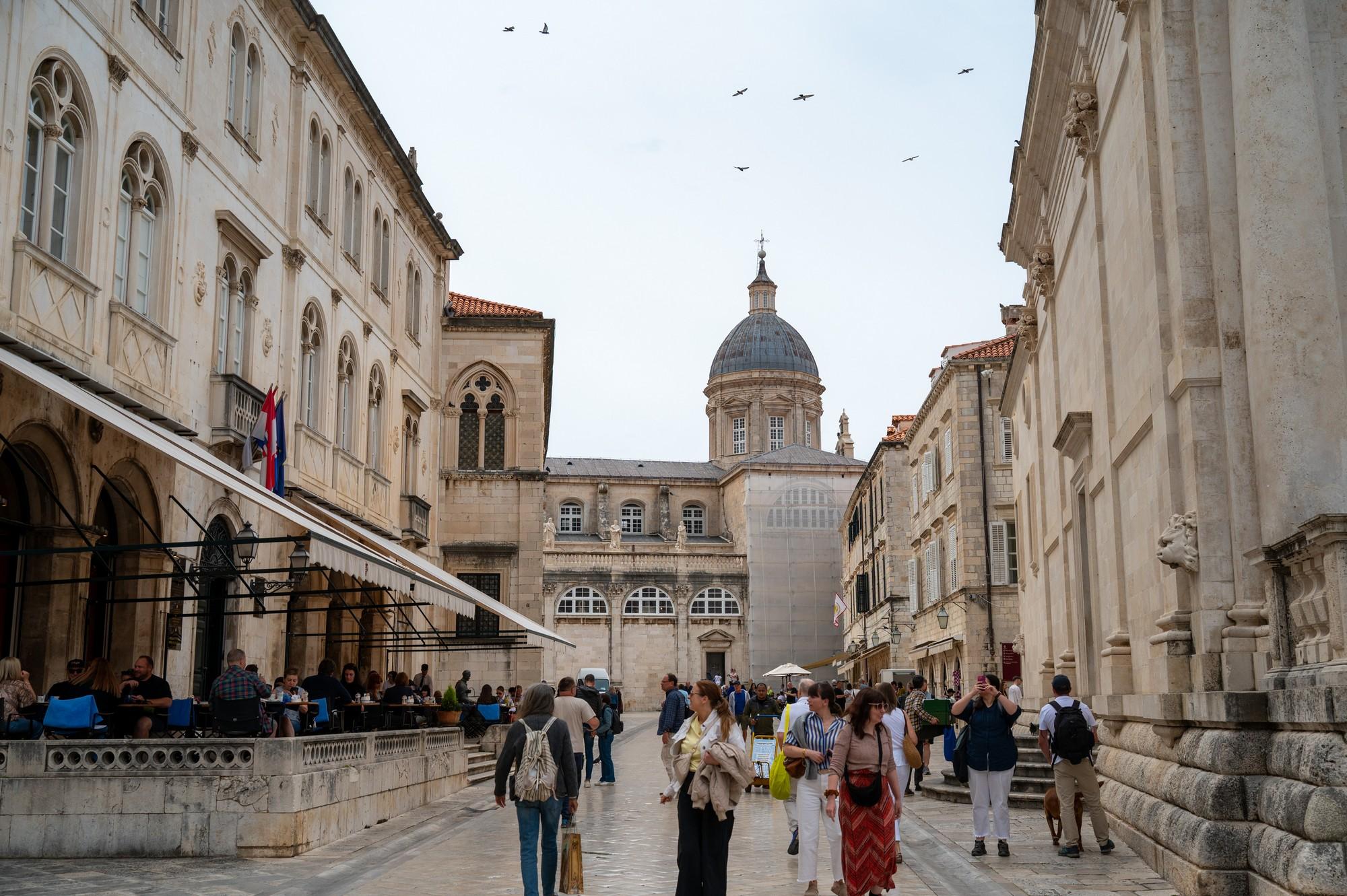
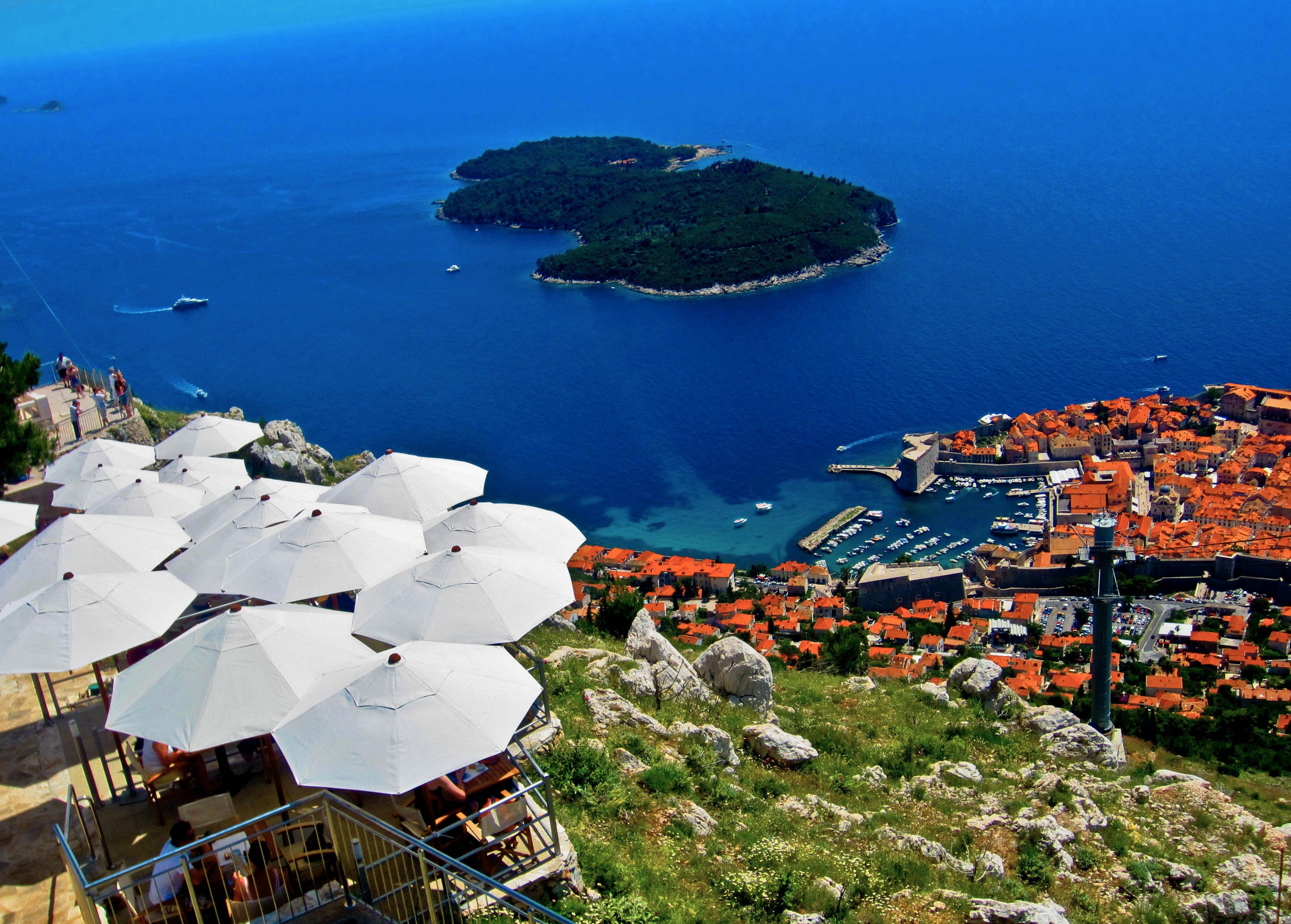
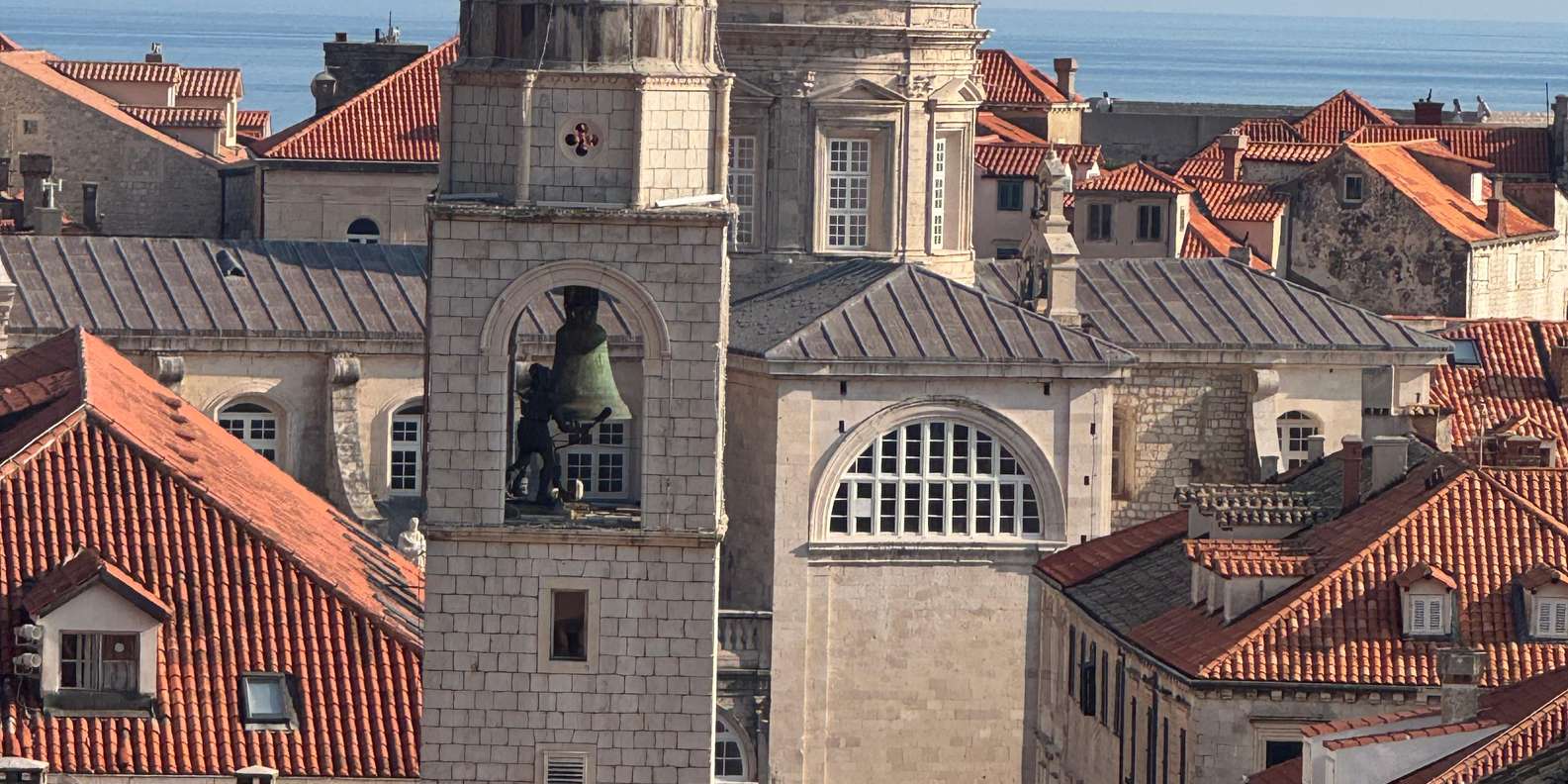
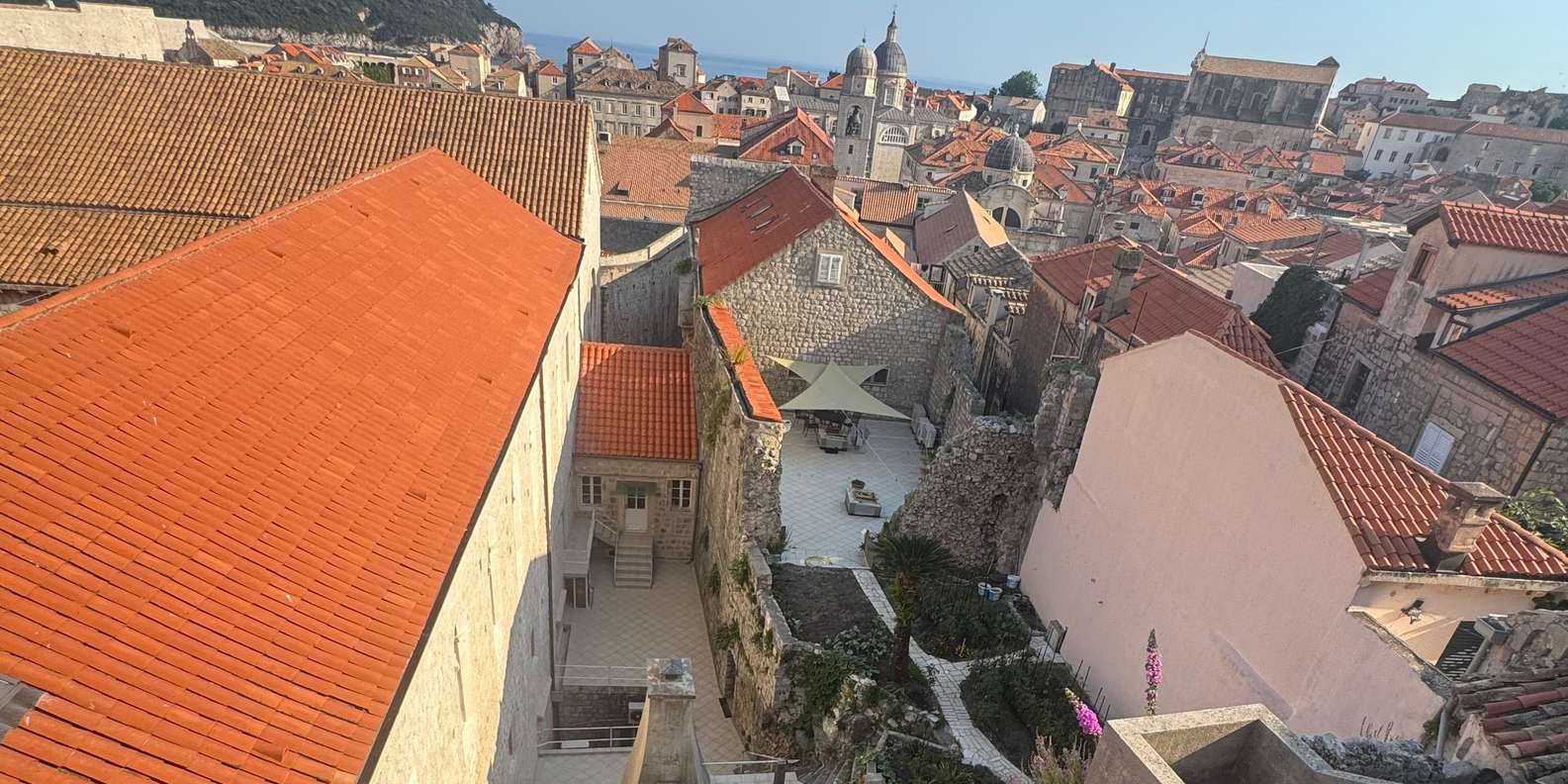
The Walls of Dubrovnik are the great set-piece of the Croatian Adriatic — an unbroken belt of stone wrapped around a small medieval city that, for centuries, was its own independent state. Running roughly 2 kilometres (about 1,940 metres) in a complete loop, rising as much as 25 metres high and thickening to several metres on the landward side, they are among the best-preserved fortifications in Europe and the reason Dubrovnik’s Old Town has been a UNESCO World Heritage Site since 1979. Walking the full circuit is the single most popular thing to do in the city, and it is genuinely spectacular: terracotta rooftops packed below on one side, the open sea on the other, and the great forts marking the corners.
What You’re Actually Walking
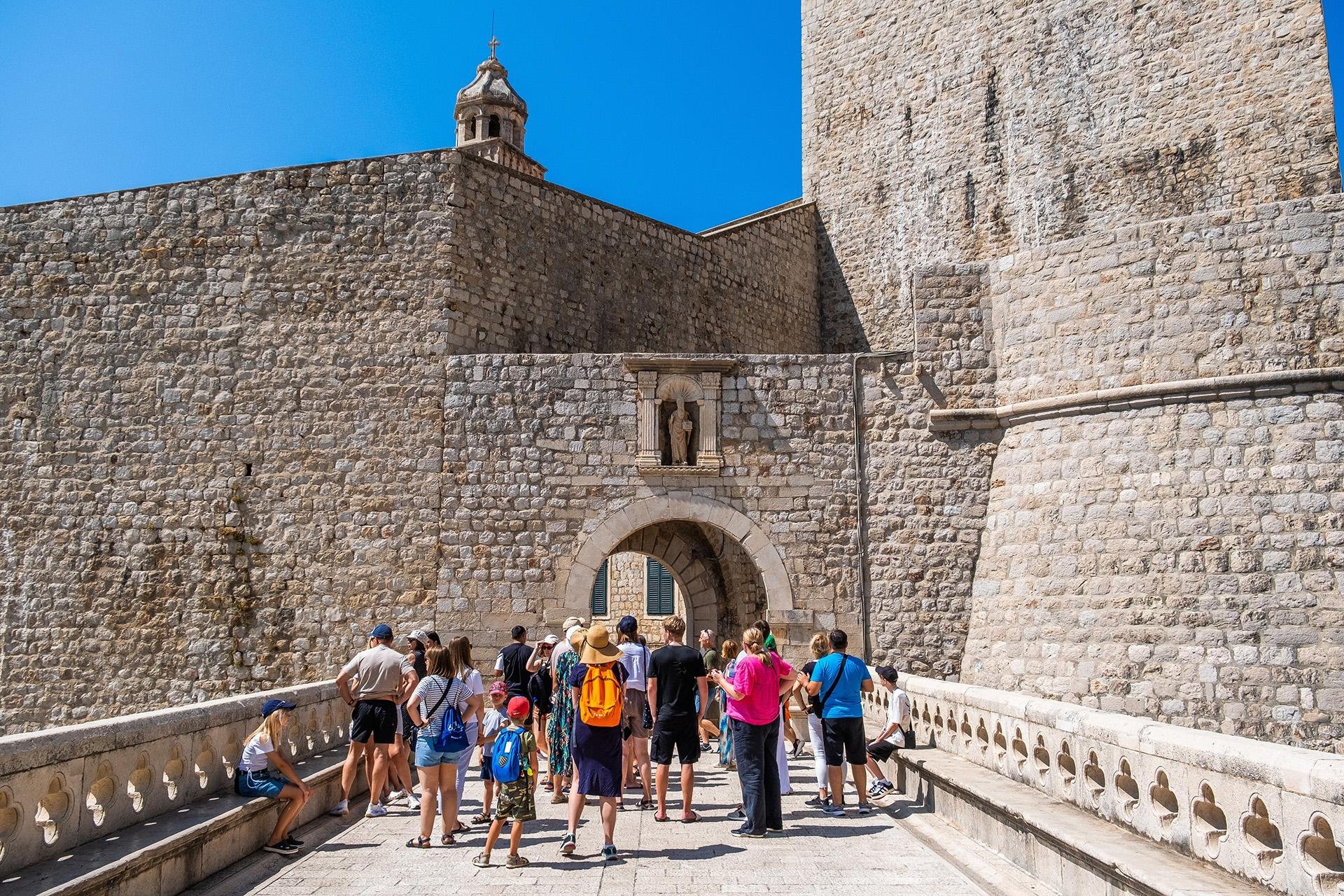
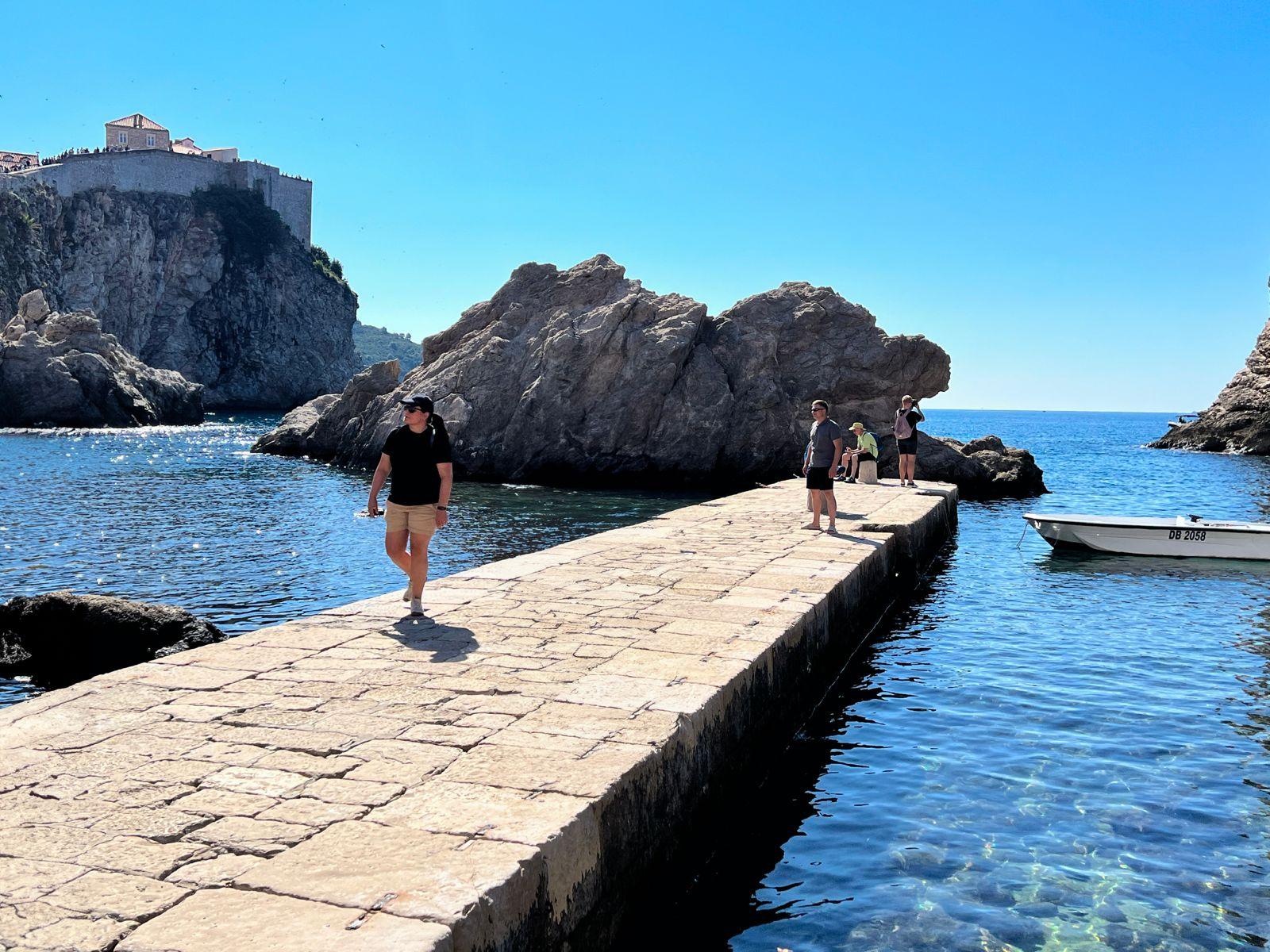
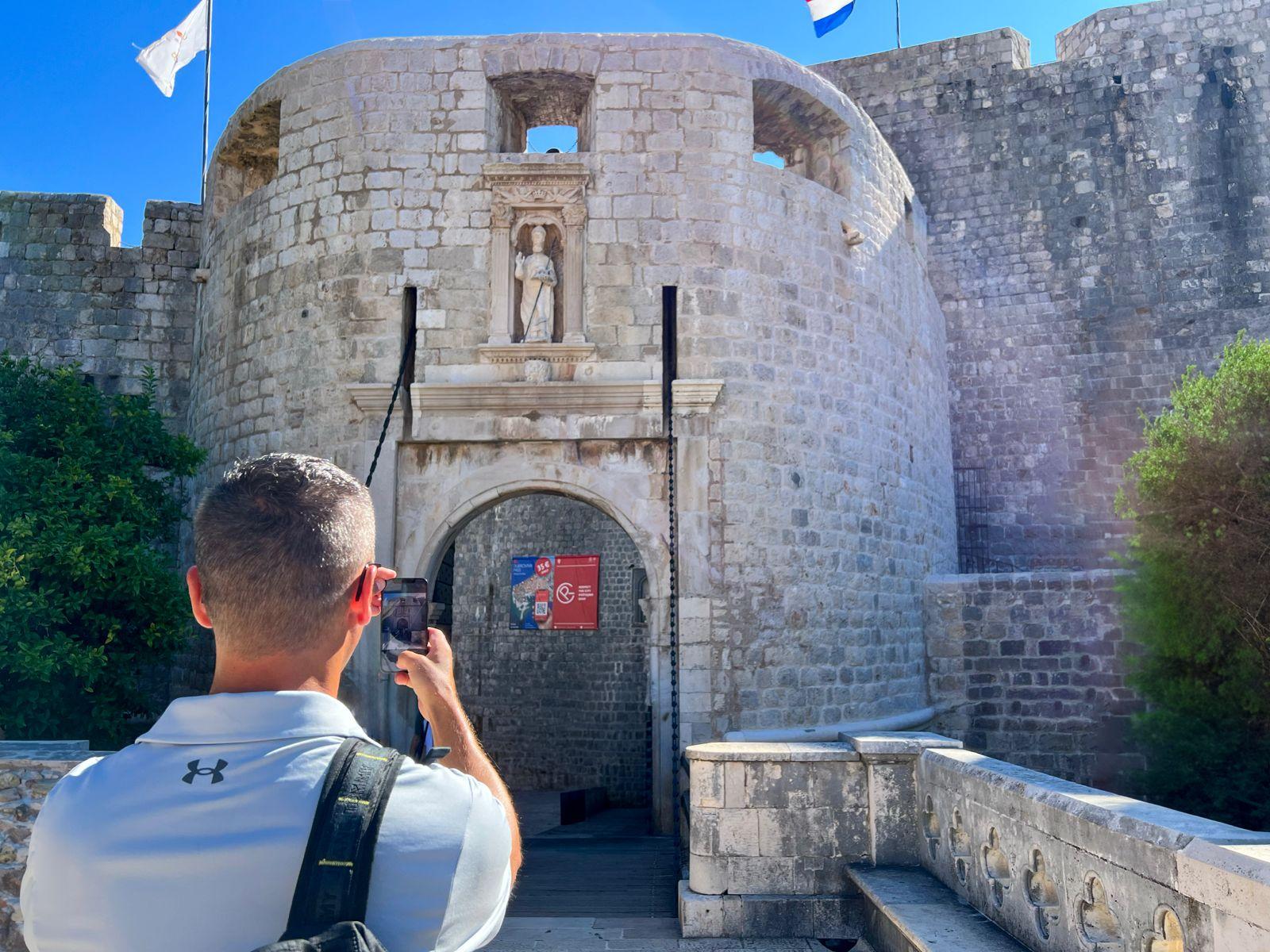
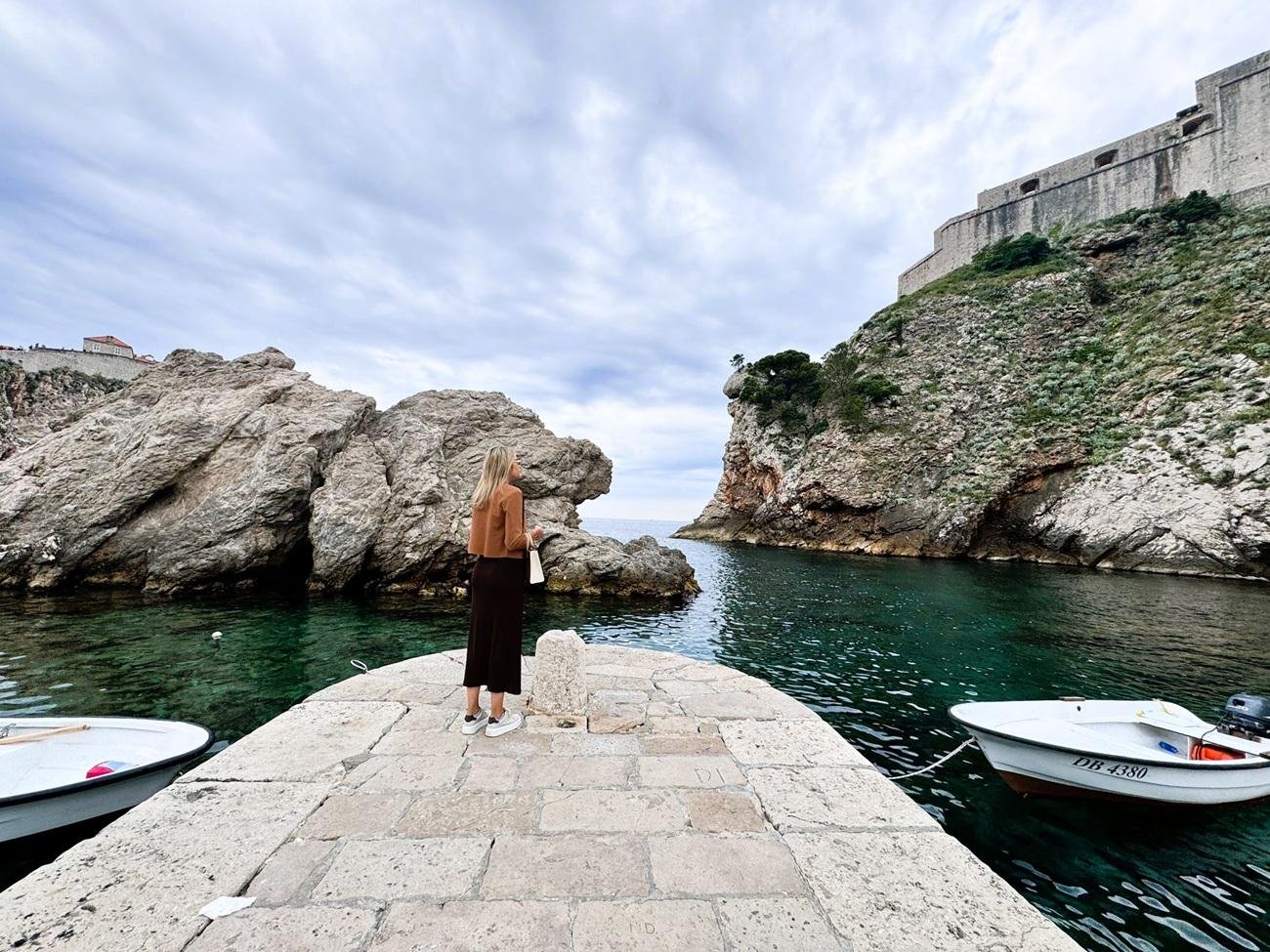
The walls were the shield of the Republic of Ragusa, the merchant city-state that traded and negotiated its way to independence between Venice and the Ottoman Empire. Four major fortresses anchor the system. The round Minčeta Tower crowns the highest, landward point to the north — rebuilt in 1463 by the local builder Nikifor Ranjina and Italian engineers sent as the Turkish threat grew. Fort Bokar, designed by the Florentine architect Michelozzo around 1461–1463, guards the western Pile Gate, the main entrance. The Revelin Fortress defends the eastern approach by the old port, and the massive St John Fortress protects the mouth of the harbour. Just outside the walls, a five-minute walk from the Pile Gate, the dramatic sea-cliff fortress of Fort Lovrijenac rises on its own rock — and crucially, it is included with the City Walls ticket.
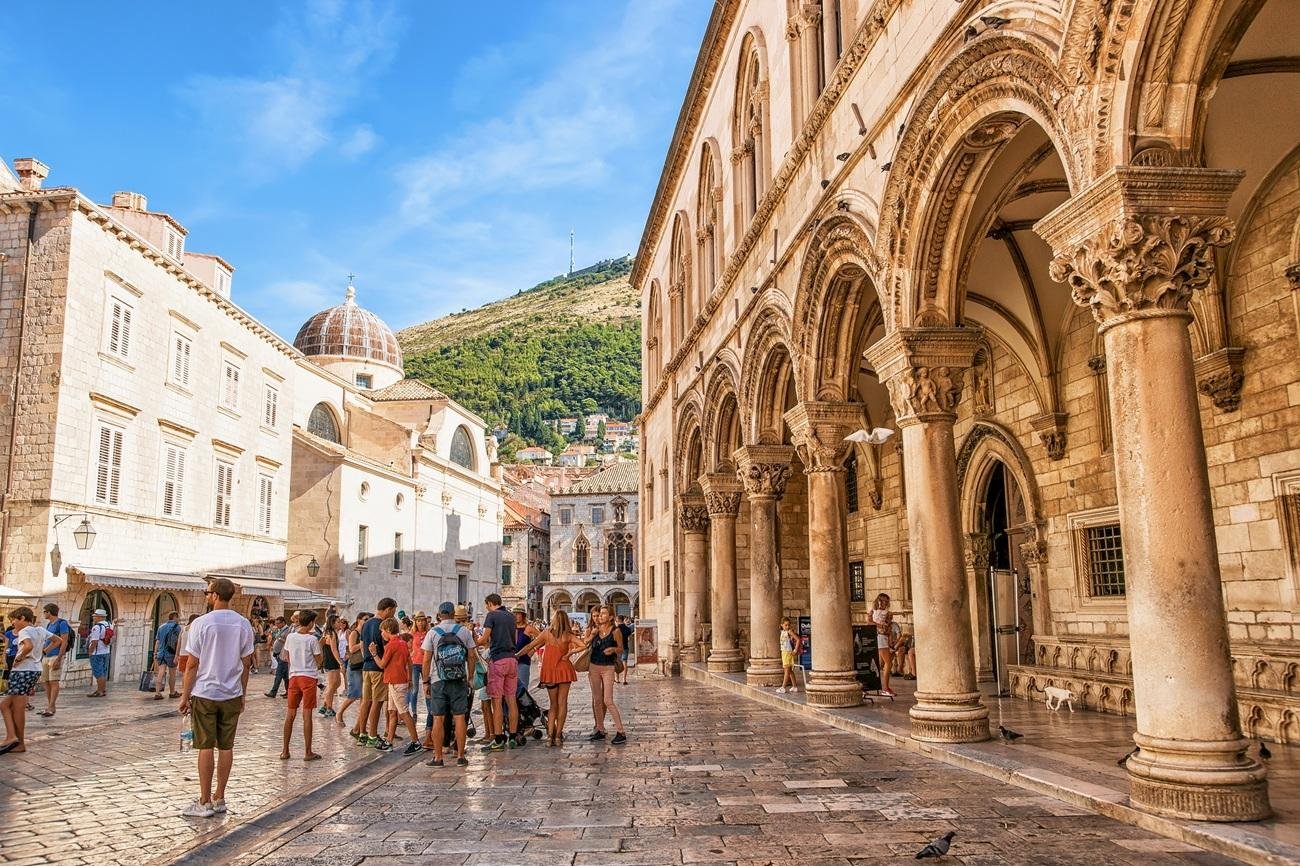
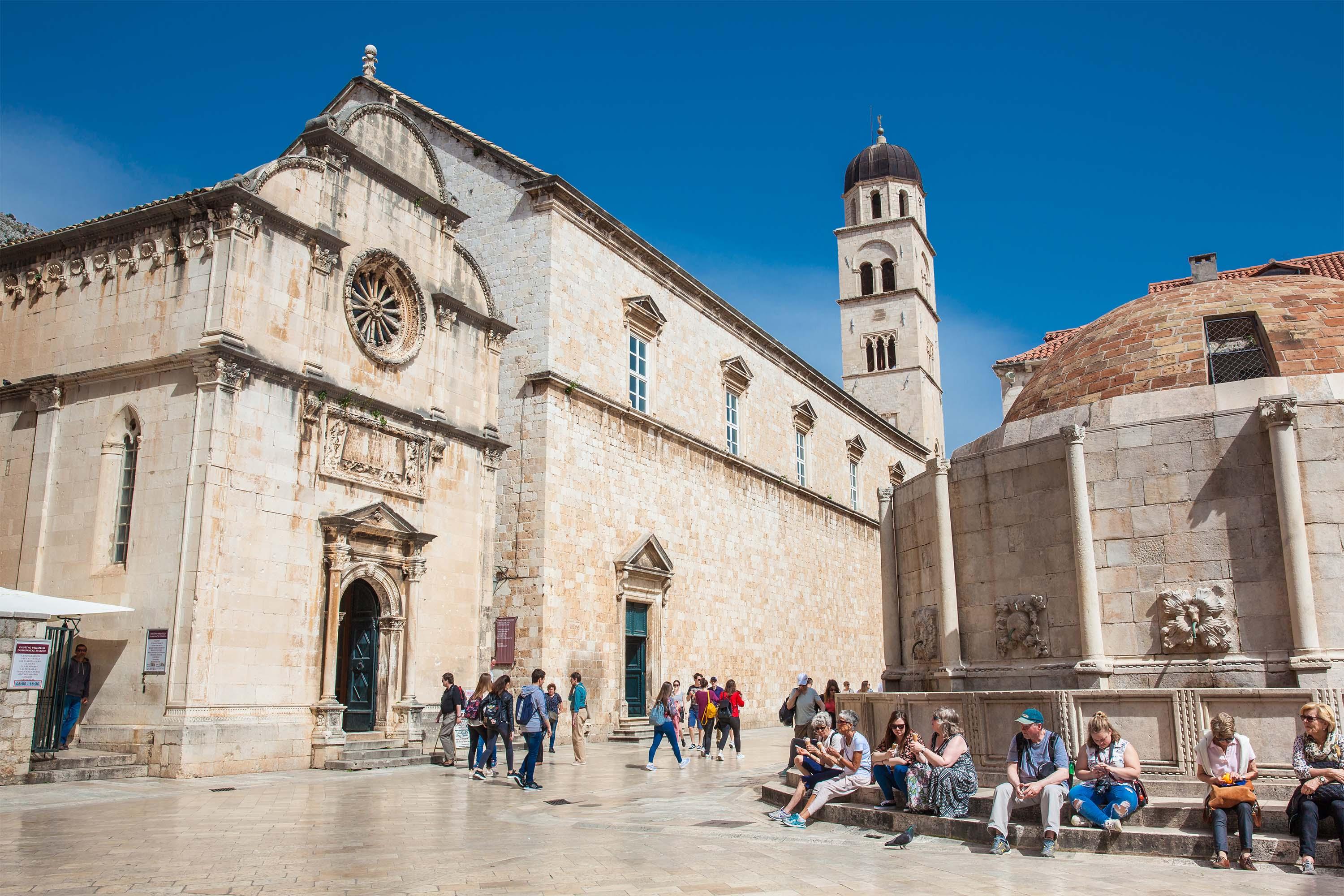
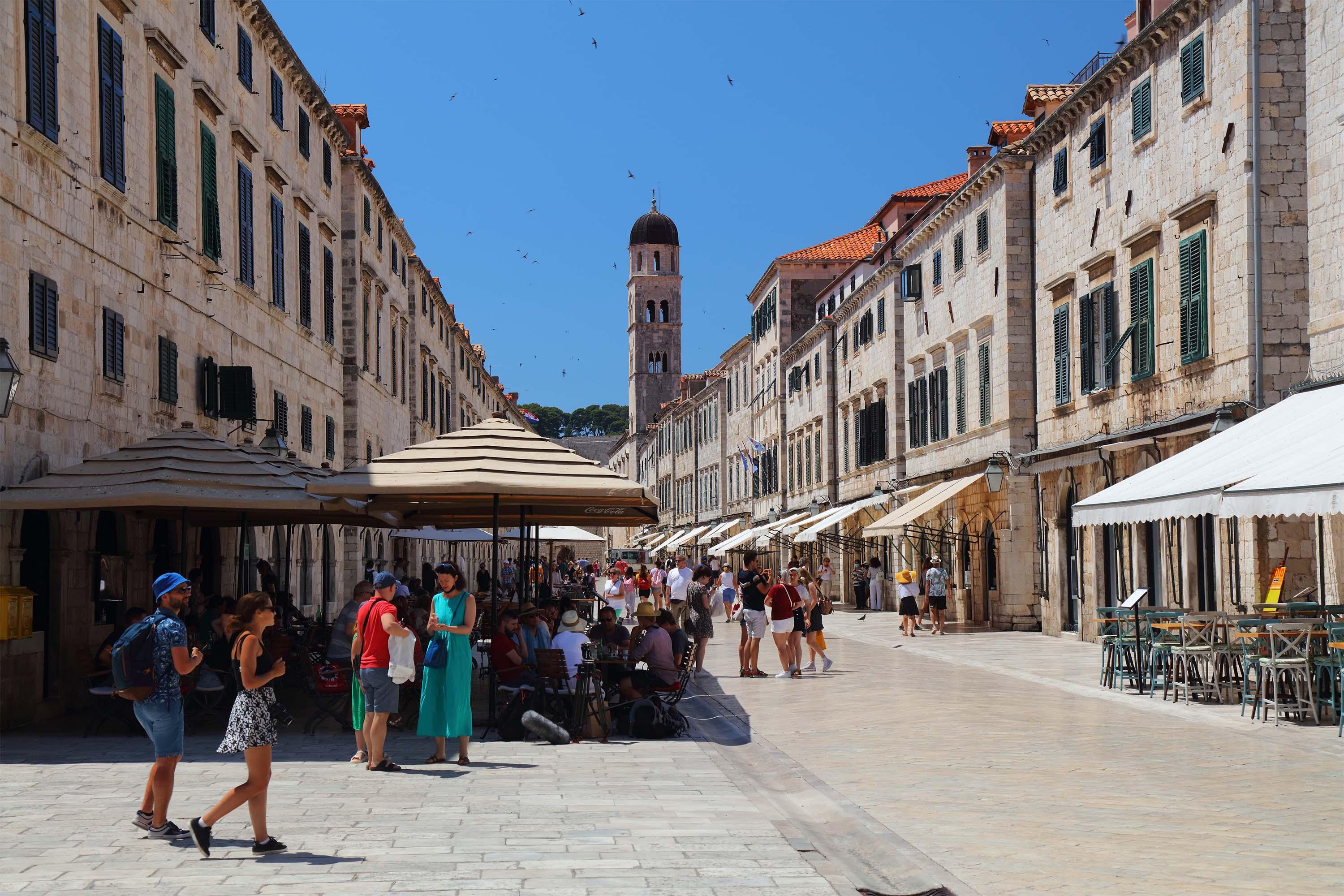
Down inside the walls runs the Stradun, the polished limestone main street, with the Franciscan monastery and its 14th-century pharmacy — one of the oldest still operating in Europe — near the Pile end. Much of what you see was rebuilt after the catastrophic 1667 earthquake, and locals will point out the scars and repairs from the 1991–92 siege during the Croatian War of Independence, when the walls again sheltered the city.
Game of Thrones and King’s Landing
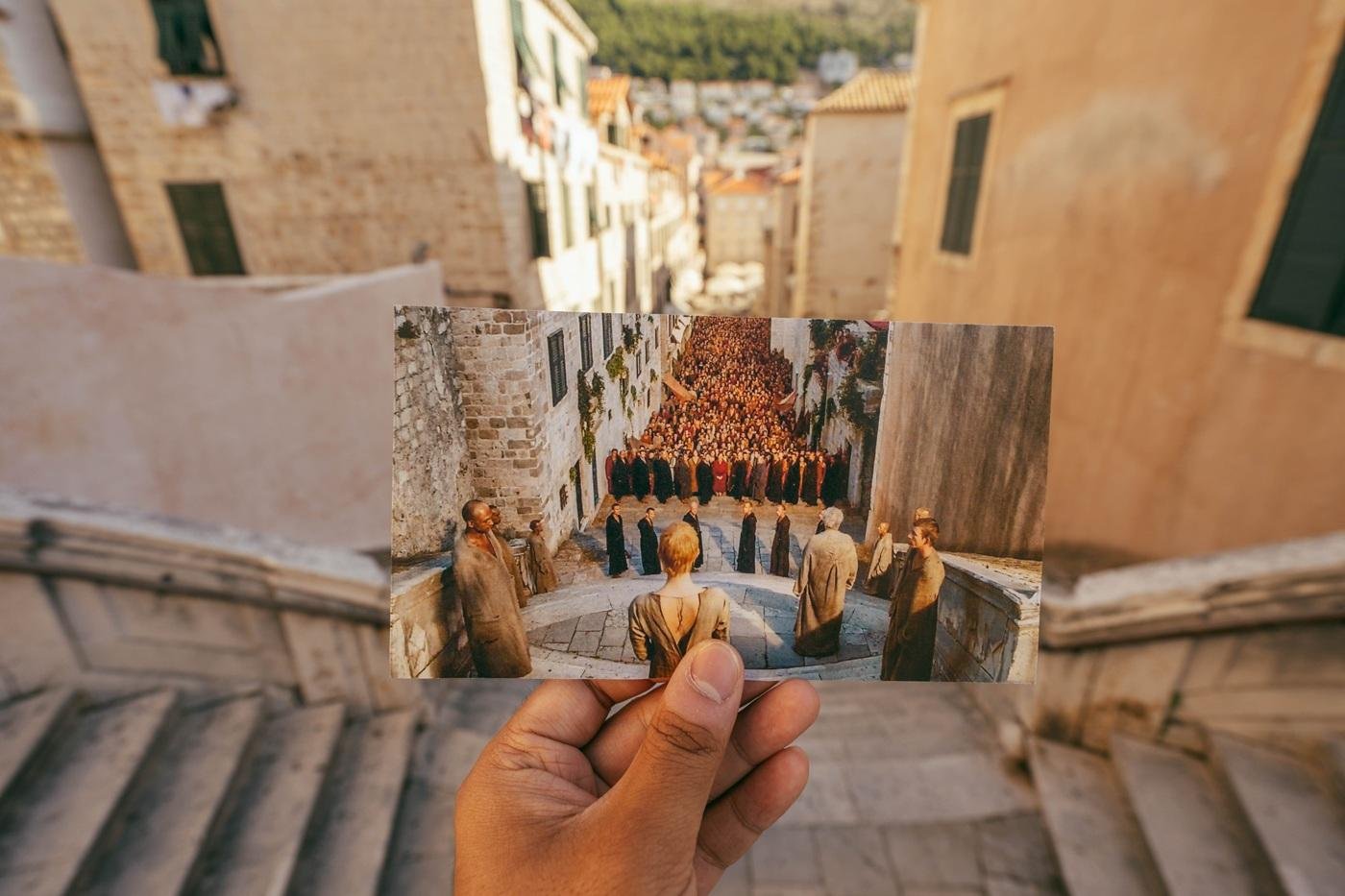
For many visitors the walls are also King’s Landing. Dubrovnik’s Old Town and ramparts stood in for the Westerosi capital across Game of Thrones, with Fort Bokar and the Minčeta Tower among the recognisable backdrops and Fort Lovrijenac serving as the Red Keep. Plenty of guided walks fold the film locations into the real history — but the 1,400-year story of a tiny republic that outmanoeuvred empires needs no television to be remarkable.
Why Take a Guided Tour Instead of Just a Ticket?
You can absolutely buy a ticket and walk the loop alone — but the Old Town is dense with history that the sparse signage barely hints at, and the views from the walls don’t explain themselves. A certified local guide turns the stone back into a living republic: how Ragusa stayed free, why the forts face the way they do, what the earthquake and the siege changed, and which rooftop is which. A guided Old Town walk paired with the walls is the fuller experience; a plain walls ticket is the budget option; and a cable-car combo adds the postcard panorama from Mount Srđ above the city.
The operators running these tours are independent, top-rated local companies and licensed guides — not the body that manages the walls themselves. That’s the normal arrangement, and the trust signals that matter are high review counts, licensed guides, small groups, and free cancellation.
Tickets, Hours, and the Heat
This is the most useful planning fact: the ramparts have almost no shade. In the main season (roughly March to October) the adult City Walls ticket runs around €40 and includes Fort Lovrijenac, valid within 72 hours; in the low season (about November to February) it drops to roughly €15. The walls usually open early — often around 8am in summer — and most people walk clockwise from the Pile Gate. Allow anywhere from 45 minutes to two hours for the full circuit depending on your pace and photo stops; a guided tour typically covers the walls and Old Town highlights in around 1.5 to 2.5 hours.
Go at opening time or in the golden hour before sunset, when the light is kind and the crowds and heat ease — midday in July and August on the exposed stone can be brutal. The circuit involves a lot of steps and steep, uneven stretches, so it isn’t suitable for wheelchairs and is demanding for very young children; bring water, sun protection, and shoes with grip whatever the season.
When you’re ready to walk the walls with someone who can bring the whole republic to life, check tour availability.